Free Roof Inspection for South Florida Homeowners. Call us today!

Strong protection starts with a solid roof
Roof Replacement You Can Rely On
A roof replacement is one of the most important investments you can make for your home. Whether your current roof is aging, damaged, or no longer protecting your property the way it should, our team provides dependable roof replacement services designed for long-term performance.
When It’s Time to Replace Your Roof
Many roofing issues can be repaired, but there comes a point when replacing the roof is the smarter and more cost-effective option. Older roofs often develop hidden problems such as moisture intrusion, structural wear, and insulation issues that repairs alone cannot fix.
Signs it may be time for a roof replacement include missing shingles, frequent leaks, visible sagging, or roofs that are reaching the end of their expected lifespan. Addressing these problems early helps prevent interior damage, mold growth, and higher repair costs later.
- Shingles are missing, curling, or frequently blowing off
- Leaks, water stains, or moisture appear inside your home
- Your roof is approaching or past its expected lifespan
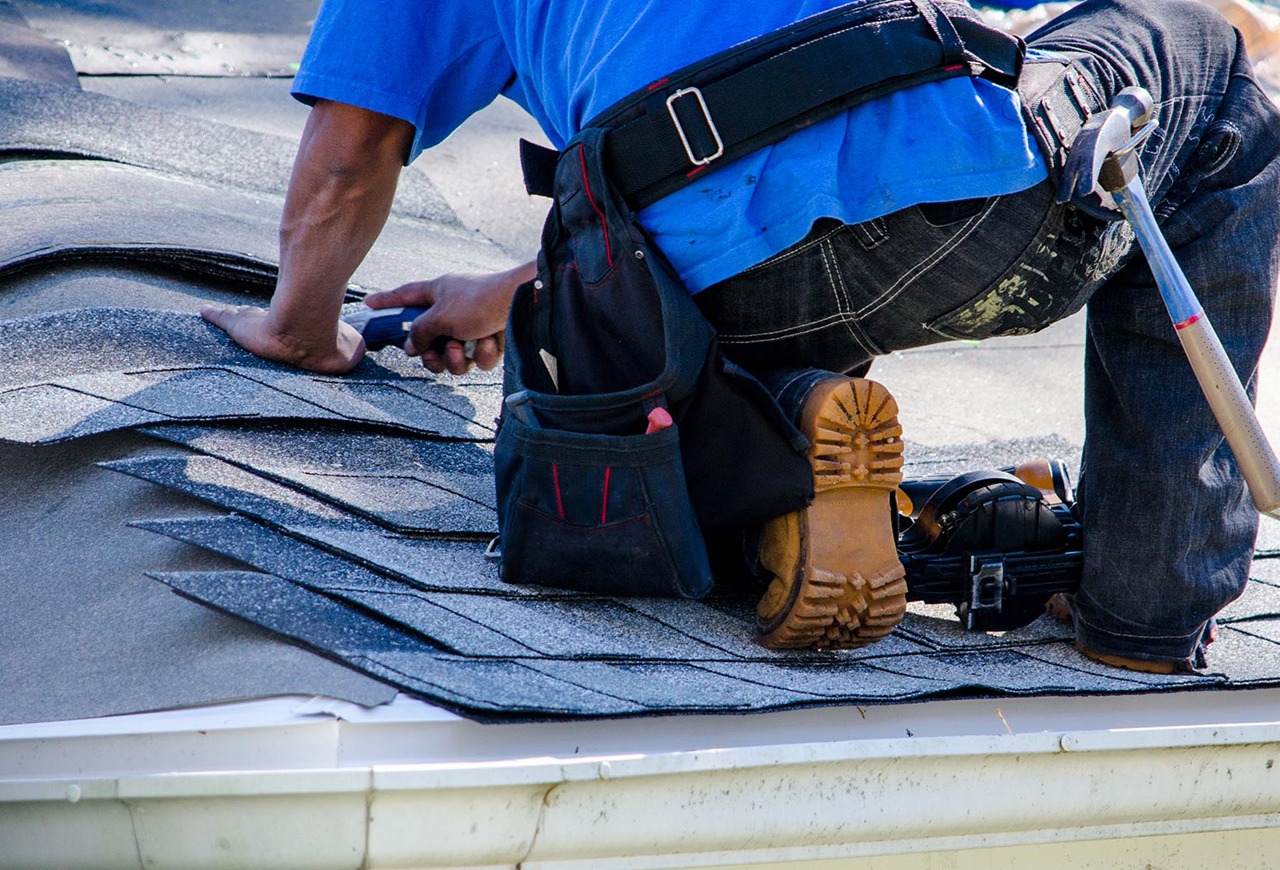
Shingle Replacement
Architectural shingles offer thicker construction and enhanced design compared to traditional shingles. Many homeowners choose them for their improved lifespan and dimensional look.
Tile Roof Replacement
Tile roofs provide a distinctive architectural style and strong durability in warm climates. When properly installed, tile roofing systems can last for decades while maintaining their appearance.
Metal Roof Replacement
Metal roofing systems are known for durability and longevity. Homeowners often upgrade to metal roofs for better storm resistance, improved energy efficiency, and long-term value.
Our Roof Replacement Process
Replacing a roof involves more than installing new materials. A proper roof replacement includes removing the existing roofing system, inspecting the structure underneath, and ensuring the new roof is installed correctly from the foundation up.
Our process focuses on protecting your property while delivering a durable roofing system that will last for years.
Typical steps in our roof replacement process include:
Detailed roof inspection and project assessment
Removal of the old roofing materials
Structural inspection of decking and underlayment
Installation of new roofing system and ventilation
Final quality check and site cleanup
By following a structured approach, we ensure every roof replacement meets quality standards and provides reliable protection.
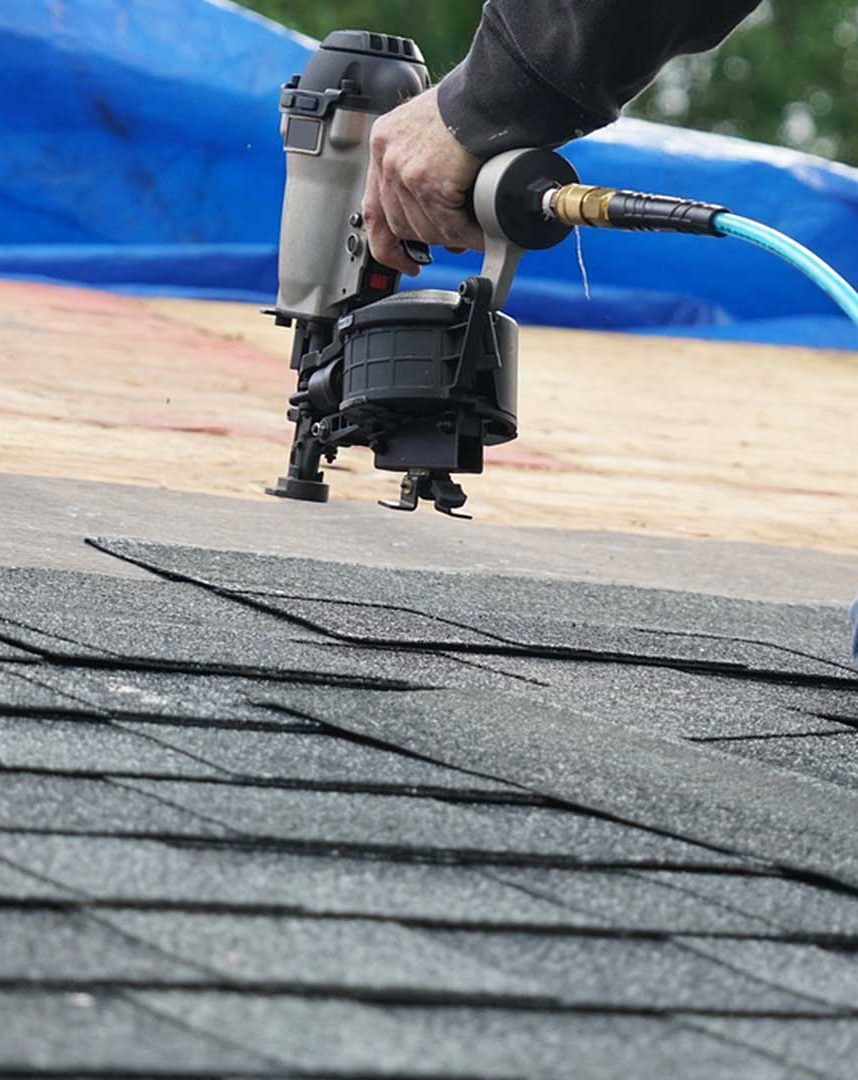
Is It Time for a New Roof?
If your roof is aging or showing signs of serious damage, our team can help you explore the best replacement options for your home.
Frequently Asked Questions
If your roof has widespread damage, multiple leaks, or is nearing the end of its lifespan, replacement is often the better long-term solution. A professional inspection can determine the best option.
Most residential roof replacements take between one and three days depending on the size of the home, roofing material, and weather conditions.
Yes. A new roof improves curb appeal, structural protection, and buyer confidence, which can positively impact resale value.

- 754-858-5603
- hello@stonepeakroofing.com
- Miami-Dade, Broward, Palm Beach
© 2026 Stonepeak Roofing. All rights reserved.
Designed & Developed By Ninety Web Design